- How many people are on the International Space Station right now?
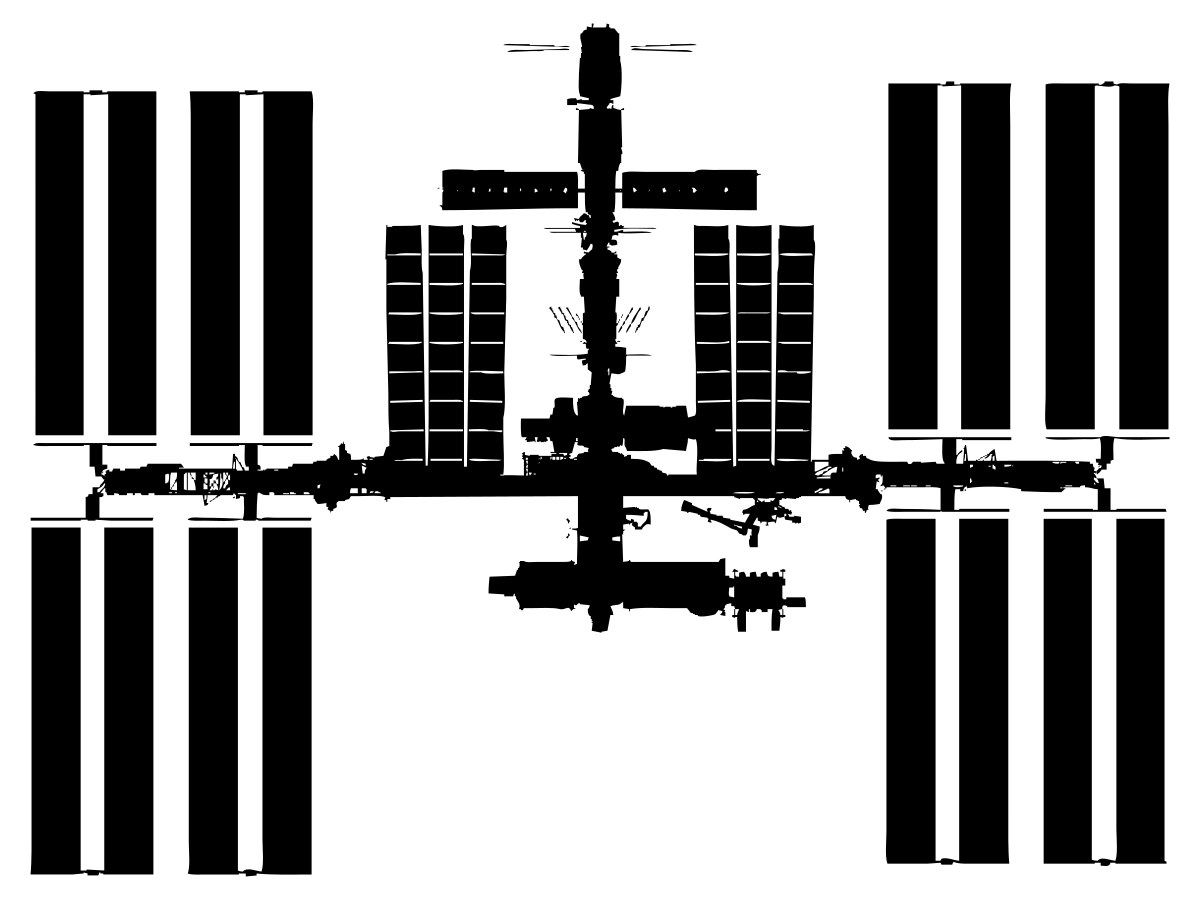
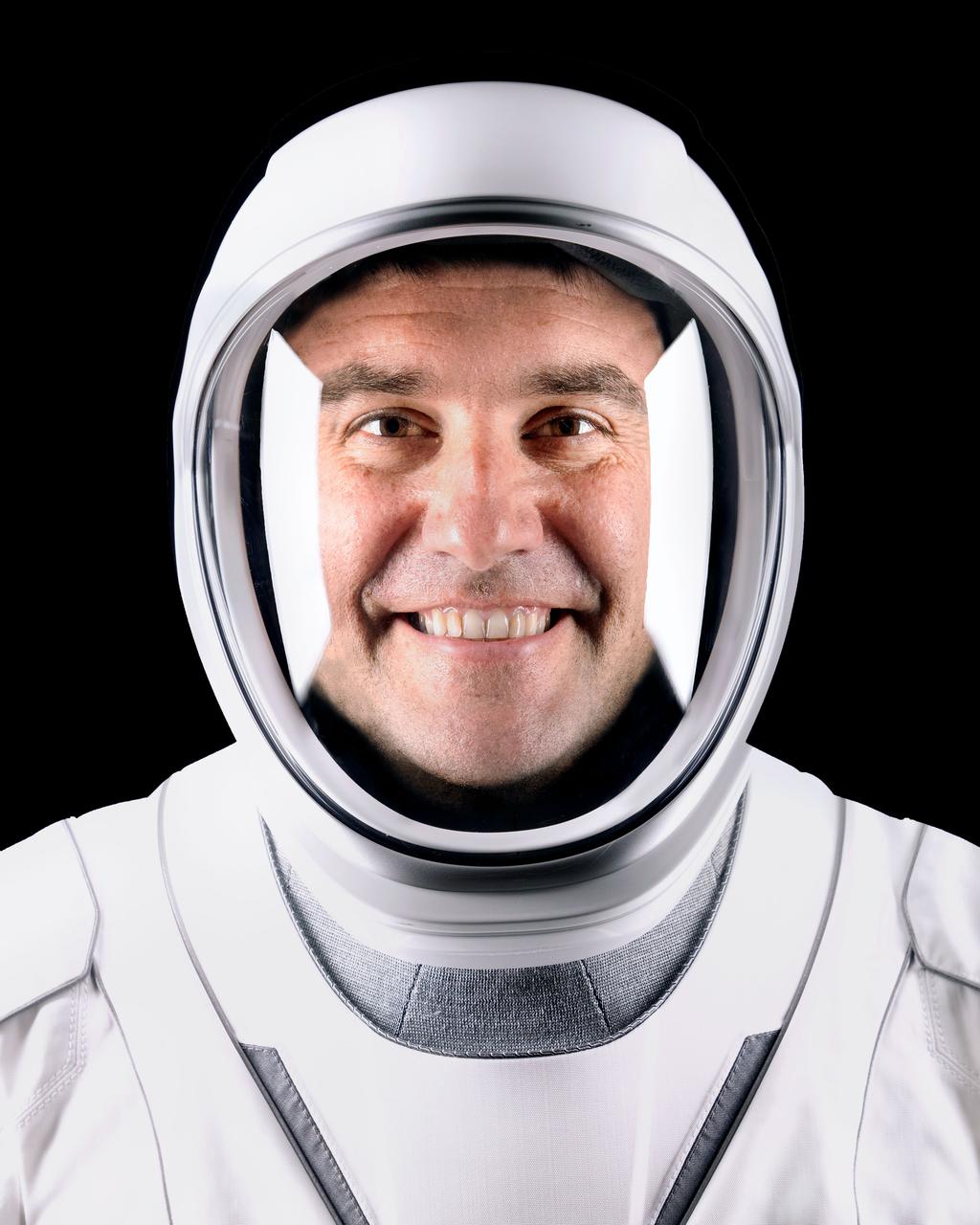
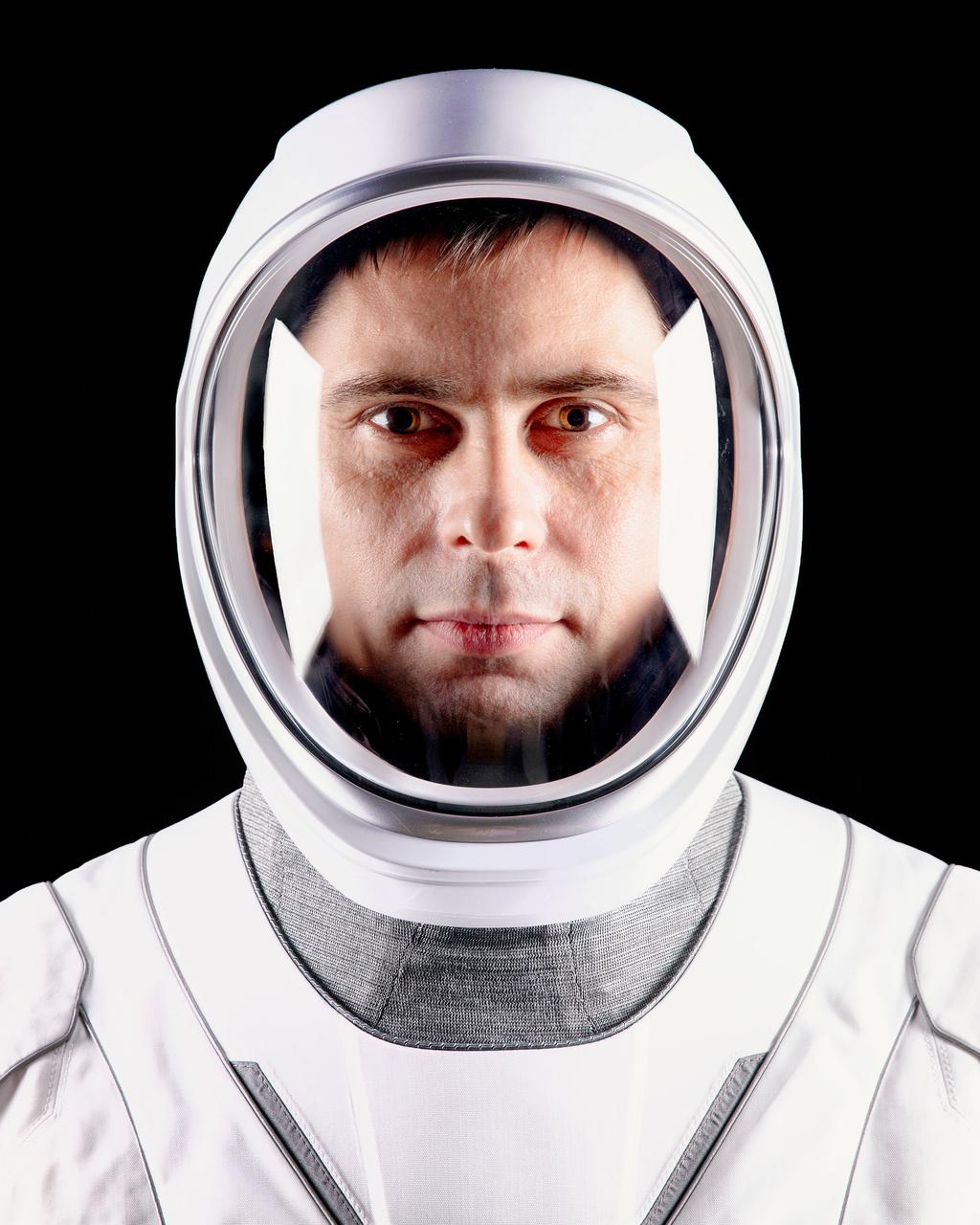
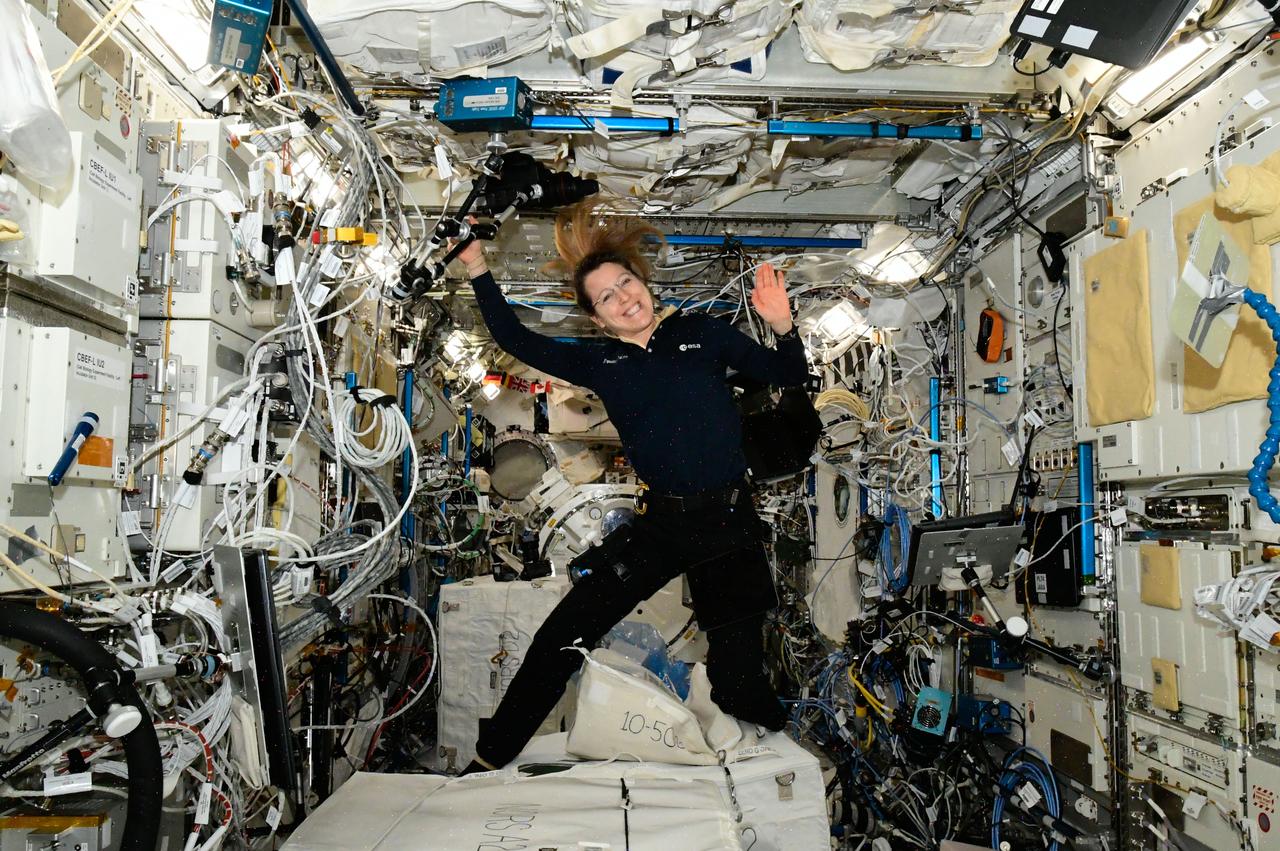
- The ISS normally hosts a crew of seven during nominal Expedition operations, but the number rises briefly to eleven or more during crew handovers when a new Soyuz or Crew Dragon spacecraft arrives before the previous crew departs. The exact current count is shown in the heading above this FAQ and is updated continuously from SpaceDevs Launch Library.
- How long has the ISS been continuously crewed?
- The International Space Station has been continuously crewed since 2 November 2000, when the Expedition 1 crew of Commander Bill Shepherd (NASA), Sergei Krikalev and Yuri Gidzenko (both Roscosmos) arrived. That makes it the longest unbroken human presence in low Earth orbit in history.
- Which space agencies have astronauts on the ISS?
- The five partner agencies that operate the International Space Station are NASA (United States), Roscosmos (Russia), ESA (the European Space Agency), JAXA (Japan), and CSA (Canada). Crewed missions to the station are also flown by astronauts from other countries through commercial spaceflight providers and Axiom Space private missions.
- How do astronauts get to the ISS?
- Crew currently reach the station on two operational vehicles: SpaceX Crew Dragon (launching from Launch Complex 39A at Kennedy Space Center on a Falcon 9 rocket) and the Russian Soyuz spacecraft (launching from Baikonur Cosmodrome in Kazakhstan on a Soyuz-2.1a rocket). Boeing’s Starliner is approved for crew rotation but has flown a limited number of crewed missions to date.
- How long does an ISS expedition last?
- Standard ISS expeditions last around 6 months, with crew rotations every few months so that a continuous crew is always present. Longer-duration missions are flown occasionally for research purposes; the current record for a single ISS stay is roughly one year.
- Are there other crewed spacecraft in orbit besides the ISS?
- Yes. China operates the Tiangong space station in low Earth orbit, normally crewed by three taikonauts on six-month Shenzhou missions. Occasional crewed flights by SpaceX (Polaris and other free-flyer missions), Axiom Space, and Blue Origin’s suborbital New Shepard programme are also flown. This page focuses on people aboard the International Space Station; the Artemis Tracker covers crew flying beyond low Earth orbit.